Introducing Quran to Toddlers: A Gentle Guide for Parents
Every Muslim parent reaches this point eventually — you want your child to grow up with a genuine love for the Quran, but you're not quite sure where to start, especially at such a young age. Should a two-year-old be memorizing verses? Is it too early? Too late? The truth is, introducing the Quran to toddlers isn't about formal memorization at all — it's about building a warm, natural connection to it that grows over time.
If you're wondering how to begin, here's a practical, gentle approach that works well for young children.
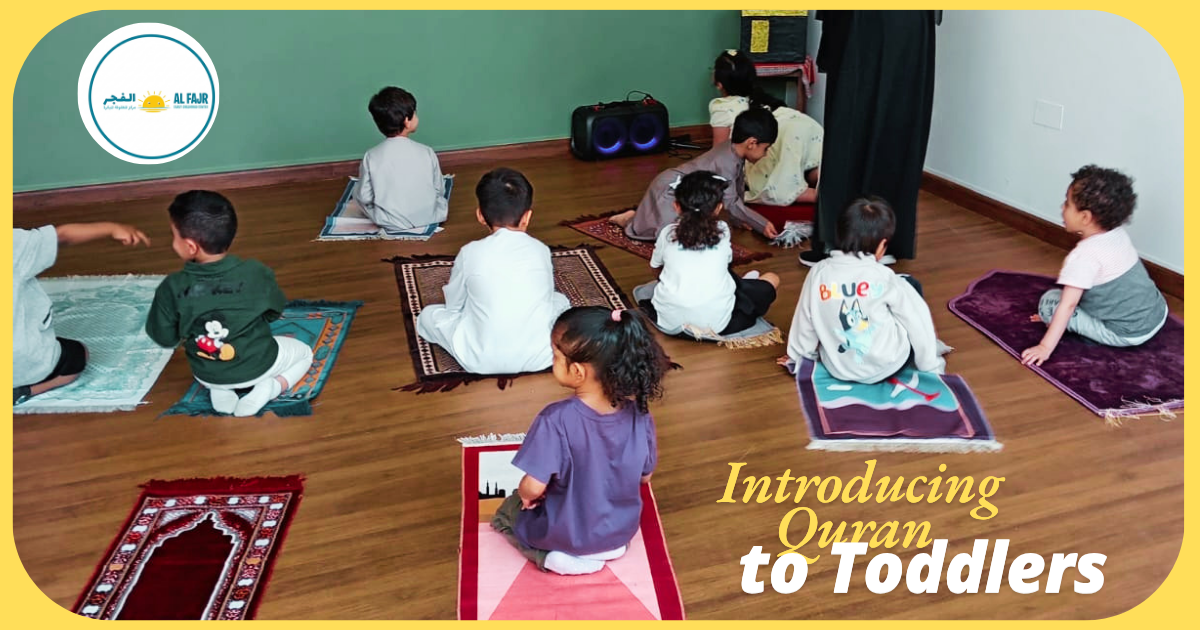
Start With Sound and Rhythm Not Meaning
Toddlers respond to rhythm and repetition long before they understand words. Playing short surahs softly in the background — during car rides, bath time, or before naps — helps children become familiar with the sound of the Quran naturally, the same way they absorb any language around them. There's no pressure here, no expectation to recite. It's simply exposure.
Keep Sessions Very Short
At this age, attention spans are short, and that's completely normal. A two-minute session focused on one short surah, repeated gently over several days, will go much further than a long, structured lesson that a toddler can't sit through. Little and often beats long and occasional, every time.
Use Stories Not Just Recitation
Toddlers connect with stories long before they connect with text. Simple, age-appropriate stories from the Quran and the lives of the Prophets — told in an animated, engaging way — help children build an emotional connection to these teachings well before they can recite a single verse. Picture books designed for young Muslim children can be a great tool here.
Make It Playful
Turn short surahs into a kind of song. Clap along, use hand motions, or repeat phrases in a sing-song rhythm. Many toddlers pick up short surahs like Al-Fatiha or Al-Ikhlas simply through repetition during daily routines — not because they were formally "taught," but because it became a natural, joyful part of their day.
Model It Yourself
Children absorb far more from what they see than what they're told. If a toddler regularly sees a parent reciting, listening to, or engaging with the Quran calmly and happily, that becomes their own frame of reference for what it means to have this relationship with the Quran. Consistency in your own routine matters more than any structured lesson plan.
Don't Rush Memorization
It's tempting to want visible progress — a surah fully memorized, a milestone to point to. But pushing formal memorization too early can turn something meant to be joyful into something stressful for both parent and child. At the toddler stage, familiarity and positive association matter far more than perfect recitation. Memorization, when it happens naturally through repetition, is a bonus — not the goal.
Choose the Right Environment
If your child attends a nursery, it's worth asking how Quran introduction is handled there. A good early-years setting will treat this the same way — gentle, story-based, and woven into daily routine rather than delivered as a formal subject. Consistency between home and nursery makes a real difference in how naturally a child absorbs this connection.
A Simple Weekly Approach
If you're looking for a practical starting point, try this:
Pick one short surah for the week (Al-Fatiha, Al-Ikhlas, or Al-Nas are common starting points).
Play it softly during a calm part of the day, like before nap time.
Repeat a phrase or two together, using hand motions or a simple tune.
Read one short Quranic story related to kindness, patience, or gratitude.
Keep it light — if your toddler isn't interested that day, simply try again tomorrow.
There's no rigid formula here. What matters most is consistency, warmth, and making this feel like a natural, comforting part of daily life rather than a lesson to get through.
Frequently Asked Questions
1. At what age should I start introducing the Quran to my child?
Many parents begin gentle exposure — playing recitation, simple stories — from as early as 1 to 2 years old. There's no fixed "right" age; what matters is starting with a relaxed, playful approach rather than formal instruction.
2. Should toddlers memorize Quran verses?
Formal memorization isn't necessary at this age. Repetition through songs, routine listening, and short stories often leads to natural memorization over time, without the pressure of structured lessons.
3. What's the best surah to start with for a toddler?
Short, rhythmic surahs like Al-Fatiha, Al-Ikhlas, and Al-Nas are commonly used starting points, since their length and repetition make them easier for young children to become familiar with.
4. How long should a Quran learning session be for a toddler?
Keep sessions very short — around 2 to 5 minutes is often enough. Frequent, brief exposure works better than long sessions a toddler can't sit through.
5. How can a nursery support Quran introduction alongside home learning?
A good nursery will introduce Quranic content in a gentle, story-based way as part of daily routine, mirroring the same relaxed approach parents use at home, which helps create consistency for the child.

